



By Janabajal Law | Consumer Protection & Digital Finance Practice Group
⚠️ Disclaimer: This blog post is for general informational purposes only and does not constitute legal advice. For specific concerns regarding your situation, consult a licensed attorney.
The “Nahihirapan Ako Magbayad” Dilemma
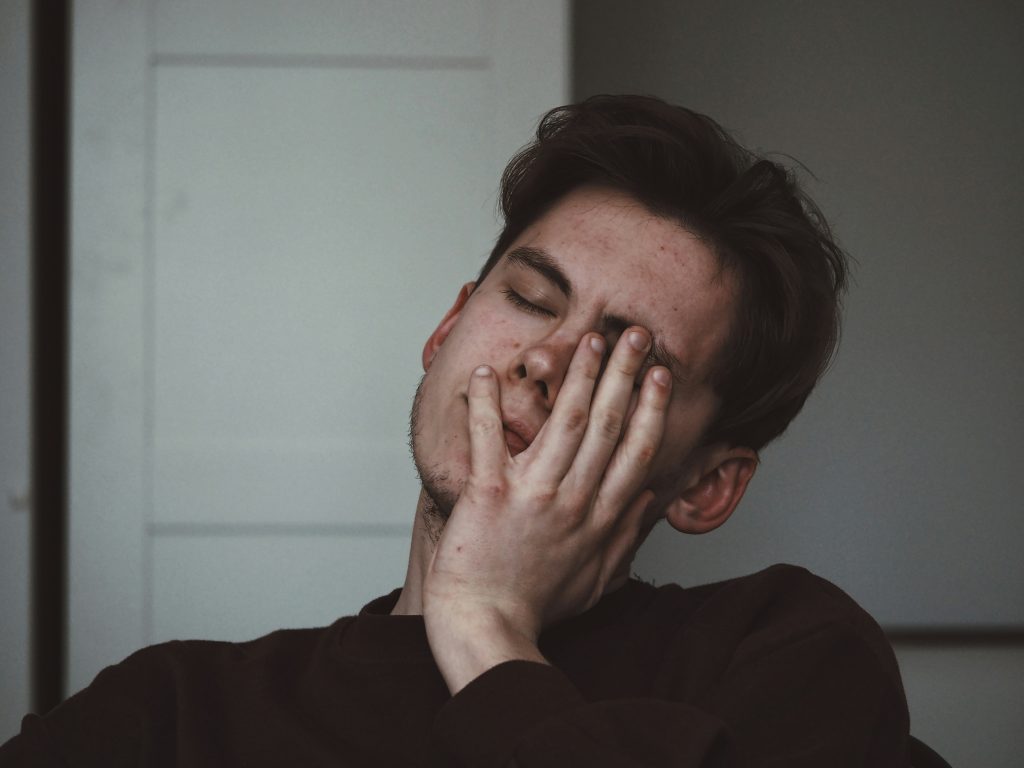
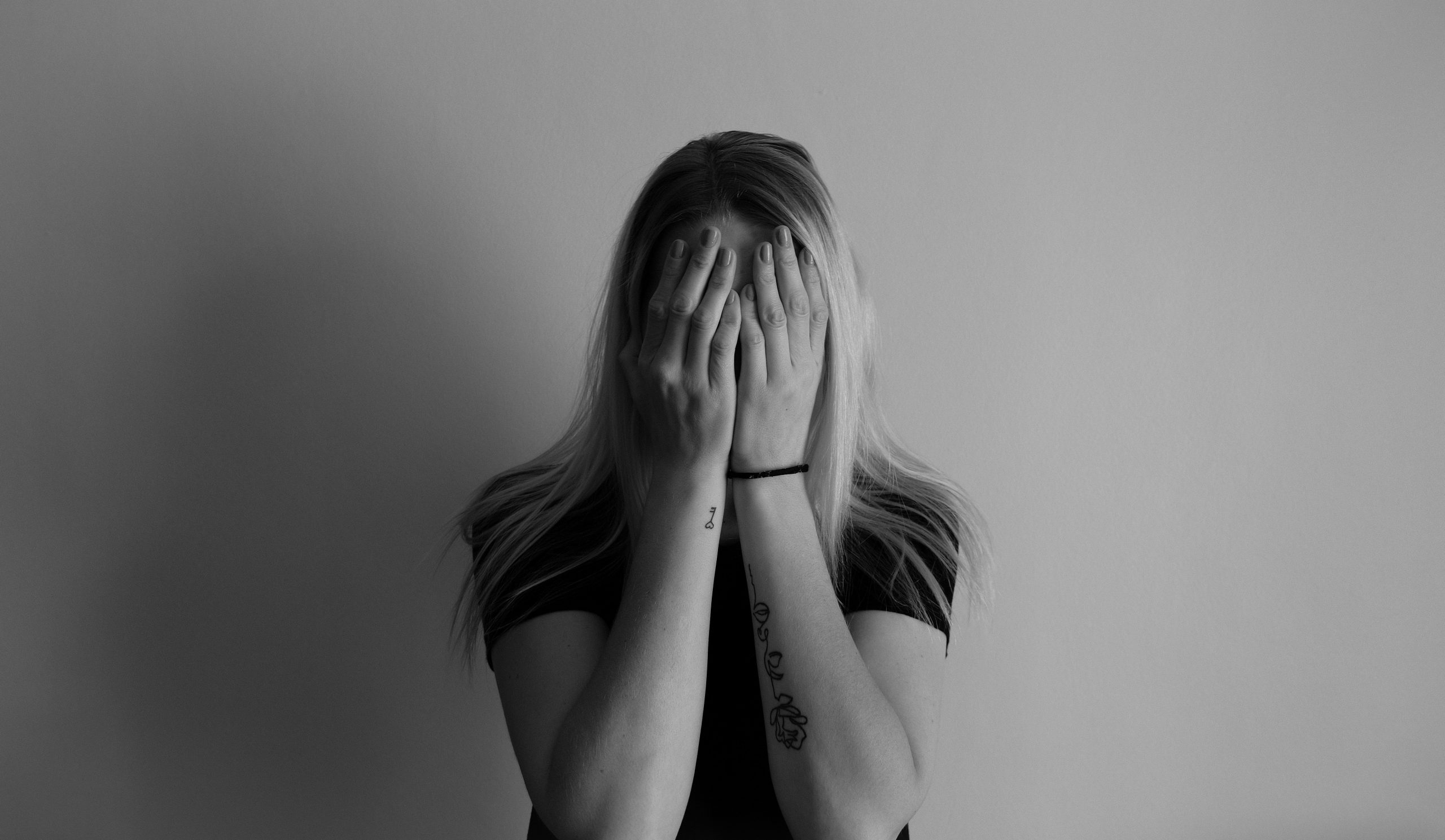
Admit it — we’ve all been there.
You clicked “Buy Now, Pay Later” on Shopee or Lazada, swiped through TikTok Shop and checked out a few items on TikTok PayLater, or borrowed a quick cash loan through GCash’s GLoan. Life felt easy. The package arrived. You unboxed it on camera (maybe even posted it).
Then the due date came.
And went.
Suddenly, your phone is blowing up with payment reminders, your credit score is tanking, and someone from a collection agency is texting your lola about your unpaid balance. Now you’re lying awake at night thinking: “Mahaharap ba ako sa kaso? Mapupunta ba ako sa kulungan?”
Short answer: It depends — but probably not for the debt itself. Let’s break it down.
What Are These “Buy Now, Pay Later” and Digital Loan Products?
Before we get to the legal stuff, let’s quickly identify what we’re talking about:
💙 SPayLater (Shopee Pay Later)
Offered by SeaMoney (Philippines), SPayLater lets Shopee users purchase items and pay within a set period or in installments. It functions as a credit line tied to your Shopee account. It is regulated under the Bangko Sentral ng Pilipinas (BSP) since SeaMoney holds an Electronic Money Issuer (EMI) license.
🟠 LazPay / LazPayLater (Lazada)
LazPay is Lazada’s in-app payment ecosystem, with LazPayLater functioning as its Buy Now, Pay Later (BNPL) feature. It is operated in partnership with licensed financial institutions. Users can defer payments or split them into installments.
🎵 TikTok PayLater (TikTok Shop)
As TikTok Shop has grown into a massive e-commerce platform in the Philippines, TikTok PayLater allows users to purchase items from TikTok Shop and pay at a later date. This product is offered in partnership with licensed lending or financing companies, making it subject to BSP and Securities and Exchange Commission (SEC) oversight depending on the partner entity.
💚 GLoan (GCash)
GLoan is one of the most widely used digital loan products in the Philippines, offered through GCash (operated by G-Xchange, Inc., a subsidiary of Mynt). GLoan provides personal cash loans disbursed directly to your GCash wallet, with repayment deducted from the same wallet. Because it involves actual lending of money (not just deferred payment), it is more strictly governed and is subject to BSP regulations, as GCash operates under a payment system operator license in partnership with CIMB Bank Philippines and other regulated entities for its lending arm.
The Legal Framework: What Laws Actually Govern These?
Great — now let’s put on our lawyer hats (don’t worry, we’ll keep it simple).
📜 1. Republic Act No. 9474 — The Lending Company Regulation Act of 2007
This law requires all lending companies to register with the SEC. If GLoan’s or TikTok PayLater’s partner lenders are lending companies, they must:
- Be duly registered with the SEC
- Disclose interest rates, fees, and charges clearly
- Comply with fair collection practices
What this means for you: If the company collecting from you is not SEC-registered, they may actually be breaking the law — not you.
📜 2. Republic Act No. 8556 — The Financing Company Act of 1998
Financing companies that offer installment or deferred payment schemes (like some BNPL products) must also be registered with the SEC. This governs entities that extend credit for the purchase of goods and services.
📜 3. Bangko Sentral ng Pilipinas (BSP) Regulations — Circular No. 1133 (2021) and Related Issuances
The BSP has issued guidelines on digital financial services, including BNPL products, requiring providers to maintain consumer protection standards. BSP Circular 1133 specifically requires transparency in loan disclosures and mandates that digital lenders clearly inform borrowers of:
- Annual Contractual Rate (ACR)
- Effective Interest Rate (EIR)
- All fees and charges
Practical tip: Read the fine print before clicking “Confirm.” Those 3.5% monthly interests add up really fast.
📜 4. Republic Act No. 3765 — The Truth in Lending Act
One of the most important laws for borrowers! This requires lenders to disclose the true cost of credit before the loan is finalized. Failure to disclose can render the lender liable for penalties.
Under Section 6 of RA 3765, a creditor who violates this law may be:
- Fined up to ₱1,500 for each violation
- Liable to the borrower for twice the finance charge involved
Translation: If they didn’t tell you about hidden charges, you may have a claim against them.
📜 5. Republic Act No. 10173 — Data Privacy Act of 2012
This is a big one that many borrowers don’t know about.
Some unscrupulous collection agents have been known to:
- Access your contact list without consent
- Send shame messages to your family, friends, and coworkers
- Post your personal information publicly
ALL OF THESE ARE ILLEGAL. The National Privacy Commission (NPC) has issued multiple orders against predatory lending apps that engage in these practices. Violations of the Data Privacy Act can result in:
- Imprisonment of 1 to 3 years
- Fines ranging from ₱500,000 to ₱2,000,000
And guess what? The NPC has already penalized several digital lenders for these violations. So if a collector is harassing your contacts — screenshot everything and file a complaint with the NPC.
📜 6. Republic Act No. 11765 — Financial Products and Services Consumer Protection Act (FCPA) of 2022
This is the newest and most powerful weapon for Filipino borrowers.
Signed into law in 2022, the FCPA:
- Mandates fair treatment of financial consumers
- Prohibits abusive, deceptive, and unfair collection practices
- Empowers the BSP and SEC to impose administrative sanctions on erring lenders
- Allows consumers to file complaints directly with regulators
Under this law, lenders cannot:
- Use threats or harassment in collection
- Make false representations about the debt
- Contact you at unreasonable hours
- Shame you publicly or contact people who are not your guarantors
📜 7. BSP Circular No. 454 — Rules on Unfair Collection Practices (as reinforced by FCPA)
The BSP has long prohibited unfair debt collection. Prohibited acts include:
- Using obscene or profane language
- Making false threats of arrest or legal action
- Repeated calls designed to annoy or harass
- Contacting your employer without authorization
NOW THE BIG QUESTION: 🚨 Can You Actually Go to Jail for Not Paying?
🏛️ The Constitutional Answer: NO — Not for the Debt Alone.
Article III, Section 20 of the 1987 Philippine Constitution is crystal clear:
“No person shall be imprisoned for debt or non-payment of a poll tax.”
This is a fundamental right. You cannot be jailed simply because you failed to pay your GLoan, LazPay, SPayLater, or TikTok PayLater balance. Debt is a civil matter, not a criminal one.
This principle has been consistently upheld in Philippine jurisprudence.
⚖️ But Wait — There Are Exceptions. Here’s When It Gets Complicated:
❗ Exception 1: Bouncing Checks — Batas Pambansa Blg. 22 (BP 22)
If you issued a postdated check as payment and it bounced — that’s a criminal offense.
Under BP 22 (The Bouncing Checks Law):
- Issuing a check knowing you don’t have sufficient funds is a criminal act
- Penalty: Imprisonment of up to 1 year OR a fine of up to double the check amount (but not more than ₱200,000), or both
However, the Supreme Court’s Administrative Circular No. 12-2000 directed courts to prefer the fine over imprisonment in BP 22 cases, especially for first-time offenders. Still — this is something to take seriously.
Key Case: Lozano v. Martinez, G.R. No. L-63419 (1986) — The Supreme Court held that BP 22 does not violate the constitutional prohibition on imprisonment for debt because it punishes the act of issuing a worthless check, not the failure to pay the debt itself.
❗ Exception 2: Estafa (Swindling) — Revised Penal Code, Article 315
If you fraudulently obtained the loan — for example, by using fake identity documents, a fictitious name, or false representations to get approved — you could face estafa charges.
Estafa carries heavy penalties:
- If the fraud involves ₱2.4 million or more: Reclusion temporal (12 to 20 years)
- Smaller amounts: correspondingly lighter penalties
Key Case: People v. Juliano, G.R. No. 234957 (2021) — The Supreme Court reiterated that for estafa to prosper, there must be deceit at the inception of the transaction. Simply failing to pay due to financial hardship is NOT estafa.
So if you genuinely couldn’t pay because you lost your job or fell ill — you’re likely in civil territory, not criminal. But if you applied using a fake name and never intended to pay — that’s a different story.
❗ Exception 3: Small Claims Court — A.M. No. 08-8-7-SC (Revised Rules on Small Claims)
While you won’t go to jail for not paying, the lender can still sue you in Small Claims Court for the outstanding balance plus interest.
Small Claims Court is designed to be fast and cheap — no lawyers required on either side. The court can issue a judgment against you, which the lender can use to:
- Garnish your bank account
- Place a lien on your property
- Collect through court-ordered execution
Current threshold (as amended): Claims not exceeding ₱400,000 can be filed in Small Claims Court (as per A.M. No. 08-8-7-SC, as amended).
So no, you won’t go to jail — but you might lose your savings account.
❗ Exception 4: Credit Score and Blacklisting
The Credit Information Corporation (CIC), established under Republic Act No. 9510 (Credit Information System Act), collects and maintains credit data from financial institutions — including digital lenders.
Non-payment of GLoan, LazPay, SPayLater, or TikTok PayLater will be reported to the CIC, resulting in:
- A bad credit score
- Difficulty obtaining future loans, credit cards, or even job applications that require financial background checks
- Being blacklisted from future use of these platforms
This isn’t jail — but in today’s cashless economy, a bad credit score can feel just as painful.
Real Talk: What Actually Happens When You Don’t Pay?
Here’s a realistic timeline of what typically happens when you miss payments:
| Stage | What Happens | Legal Basis |
|---|---|---|
| Day 1–7 past due | In-app notifications, SMS reminders | Contract terms |
| Day 7–30 | Escalating reminders, late fees accrue | Contract + RA 3765 (Truth in Lending) |
| Day 30–60 | Collection calls begin; account flagged | Contract + CIC reporting |
| Day 60–90 | Formal demand letter sent | Civil Code, Art. 1169 (Default) |
| Day 90+ | Account referred to collection agency | Contract assignment |
| Possible | Small Claims Court filing | A.M. No. 08-8-7-SC |
| Likely | Negative CIC report | RA 9510 |
| Illegal but Reported | Harassment of contacts, public shaming | RA 10173 (DPA); RA 11765 (FCPA) |
What Should You Do If You’re Struggling to Pay?
✅ Step 1: Communicate Proactively
Contact your lender before you miss a payment. Many BNPL providers and digital lenders have restructuring or deferment options. GCash, for instance, has been known to offer payment extensions for GLoan borrowers in good standing.
✅ Step 2: Know Your Rights
If a collector is harassing you or contacting your family members who are not co-makers or guarantors — document everything. Screenshots, recordings, timestamps.
✅ Step 3: File Complaints If Necessary
- NPC (National Privacy Commission): For data privacy violations — www.privacy.gov.ph
- BSP Consumer Protection: For BSP-supervised institutions — consumeraffairs@bsp.gov.ph
- SEC: For SEC-registered lending companies — mpfd@sec.gov.ph
- DTI: For e-commerce related complaints
✅ Step 4: Consult a Lawyer
If you receive a court summons or demand letter, do not ignore it. Small Claims Court judgments can still be enforced against your assets. A quick legal consultation can save you a lot of grief.
✅ Step 5: Negotiate, Negotiate, Negotiate
Philippine courts and regulators generally look favorably upon borrowers who attempt in good faith to settle their debts. A negotiated settlement is almost always better than a court judgment.
A Word on Predatory Lenders and Illegal Collection Practices
Not all digital lenders play by the rules. The SEC has revoked the certificates of authority of hundreds of illegal lending apps that:
- Charge unconscionable interest rates
- Use harassment and public shaming tactics
- Operate without proper registration
If your lender is doing any of the following — they may be the one breaking the law:
- Texting or calling your contacts without your consent
- Threatening you with arrest (when no criminal charge has been filed)
- Demanding payment of undisclosed charges
- Posting your photos or information publicly
The NPC’s landmark ruling in Fintq Technologies (Blend PH) v. NPC (2020) established that unauthorized access to a borrower’s contact list is a clear violation of the Data Privacy Act — regardless of any “consent” buried in a terms and conditions page that nobody reads.
The Bottom Line (For Our Busy Readers)
🔑 You CANNOT be jailed purely for not paying your SPayLater, LazPay, TikTok PayLater, or GLoan. The Philippine Constitution protects you from imprisonment for debt.
🔑 BUT — fraudulent borrowing (estafa), issuing bounced checks (BP 22), and ignoring court judgments can have criminal or serious civil consequences.
🔑 Lenders who harass, shame, or illegally access your data are the ones who might face criminal charges — not you.
🔑 Your credit score, however, is very much at risk. In an increasingly digital economy, protect it like your reputation — because in many ways, it is your financial reputation.
🔑 When in doubt, communicate with your lender and consult a lawyer.
Need Help? We’re Here.
At Janabajal Law, we specialize in consumer protection, digital finance disputes, and debt-related legal concerns. Whether you’re dealing with:
- Harassment from collectors
- Unfair loan terms
- Small Claims Court summons
- Credit score disputes
…we’re ready to help you navigate the legal landscape — in plain Filipino, without the legal jargon that makes your head spin.
📞 Call us at: +639951930293
📧 Email us at: arnel_janabajal@janabajallaw.com
🌐 Visit us at: janabajallaw.com
Huwag hayaang lumaki ang problema. Kumonsulta na ngayon.
© 2026 [Janabajal Law]. All rights reserved. This article is for informational purposes only and does not establish an attorney-client relationship.
References: 1987 Philippine Constitution, Art. III §20 | RA 9474 | RA 8556 | RA 3765 | RA 10173 | RA 11765 | RA 9510 | BP Blg. 22 | Revised Penal Code Art. 315 | BSP Circular 1133 (2021) | A.M. No. 08-8-7-SC | Lozano v. Martinez G.R. No. L-63419 (1986) | People v. Juliano G.R. No. 234957 (2021) | Admin. Circular No. 12-2000